

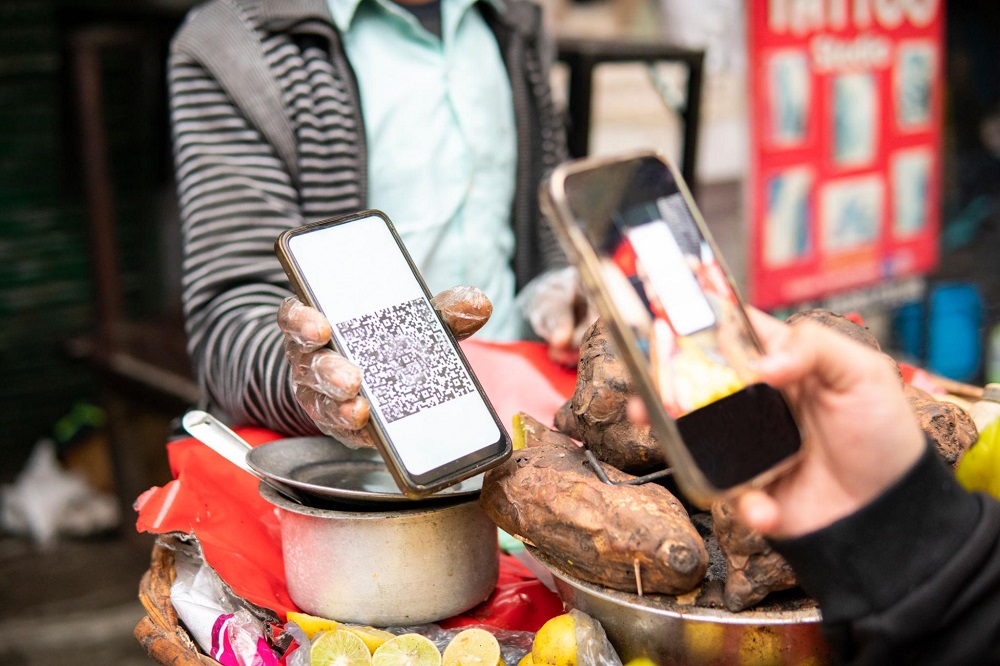
Understanding the Unbanked Challenge
Across the globe, millions of people live without access to traditional financial services. The unbanked population includes individuals who do not hold bank accounts or have access to formal credit, insurance, or savings systems. This exclusion limits their ability to:
- Securely store money
- Access affordable credit
- Send and receive cross-border payments
- Build a financial identity
In many developing regions, banking infrastructure is limited. Long distances to branches, high fees, lack of documentation, and distrust in financial institutions further widen the gap.
Why Traditional Banking Falls Short
Conventional financial systems often require:
- Government-issued identification
- Minimum balance requirements
- Credit history
- Stable address verification
For people working in informal economies, refugees, rural communities, and migrant workers, meeting these requirements can be nearly impossible. As a result, many rely on cash-based systems that are vulnerable to theft, inflation, and limited scalability.
How Cryptocurrency Provides Access
Cryptocurrency operates on decentralized blockchain networks. Unlike traditional banks, these systems do not require centralized approval. Anyone with internet access and a smartphone can create a digital wallet.
1. Borderless Financial Access
Crypto wallets allow users to:
- Send money internationally within minutes
- Avoid high remittance fees
- Receive funds without intermediaries
For migrant workers sending money home, this can significantly reduce costs and increase speed.
2. Lower Barriers to Entry
Opening a crypto wallet generally requires:
- Internet access
- A mobile device
There are no minimum balance rules, and in many cases, identity verification is minimal or optional depending on the platform.
3. Protection Against Inflation
In countries experiencing high inflation, digital assets such as stablecoins can offer a more stable store of value compared to rapidly depreciating local currencies. This gives families a way to preserve purchasing power.
4. Access to Decentralized Finance (DeFi)
Decentralized finance platforms enable services such as:
- Lending and borrowing
- Earning interest
- Peer-to-peer payments
These services function without traditional banks, giving users financial tools previously unavailable to them.
Real-World Impact
Cryptocurrency adoption has grown significantly in regions facing economic instability. In parts of Latin America, Africa, and Southeast Asia, digital currencies are increasingly used for:
- Remittances
- Small business transactions
- Freelance payments
- Online commerce
Mobile-first crypto solutions are particularly transformative in regions where smartphones are more common than bank branches.
Financial Inclusion Through Digital Identity
Blockchain systems can help create verifiable digital identities. This allows individuals without formal documentation to build transaction histories and financial credibility over time. With a transparent ledger, users can demonstrate reliability, opening doors to microloans and other services.
Challenges and Limitations
Despite its promise, cryptocurrency is not a universal solution. Key concerns include:
- Price volatility
- Limited internet access in some rural areas
- Regulatory uncertainty
- Risk of scams and fraud
- Lack of financial literacy
Education and responsible infrastructure development are essential to ensure safe adoption.
The Role of Stablecoins
Stablecoins, which are pegged to stable assets like the US dollar, reduce volatility risks. They offer:
- Predictable value
- Easier budgeting
- Reduced exposure to market swings
For the unbanked population, stablecoins can function similarly to digital cash with added flexibility.
Looking Ahead
Cryptocurrency alone cannot eliminate financial inequality. However, it provides a powerful alternative system that lowers entry barriers and expands access to financial tools. As technology improves and regulations become clearer, digital currencies may play a growing role in global financial inclusion.
The combination of mobile technology, blockchain innovation, and decentralized finance offers new pathways for people historically excluded from the financial system.
Frequently Asked Questions (FAQs)
1. Can someone use cryptocurrency without a bank account?
Yes. A crypto wallet can be created independently of a bank account. All that is typically required is internet access and a mobile device.
2. Is cryptocurrency safe for beginners in developing countries?
It can be safe if users follow security best practices such as protecting private keys, using reputable platforms, and avoiding suspicious schemes. Education is critical.
3. How does crypto reduce remittance costs?
Traditional remittance services involve multiple intermediaries and high fees. Cryptocurrency transactions occur directly between users, often with lower network costs.
4. What happens if someone loses access to their crypto wallet?
If private keys or recovery phrases are lost, access to funds may be permanently lost. Secure backup practices are essential.
5. Are stablecoins better for the unbanked than other cryptocurrencies?
Stablecoins are often more practical for everyday use because they are less volatile than many other digital assets.
6. Does cryptocurrency require high-speed internet?
Basic transactions can function on standard mobile internet connections. However, limited connectivity may slow adoption in remote regions.
7. Can governments regulate cryptocurrency used by the unbanked?
Yes. Governments can regulate exchanges, enforce compliance rules, or restrict certain activities. Regulatory frameworks vary by country and continue to evolve.