

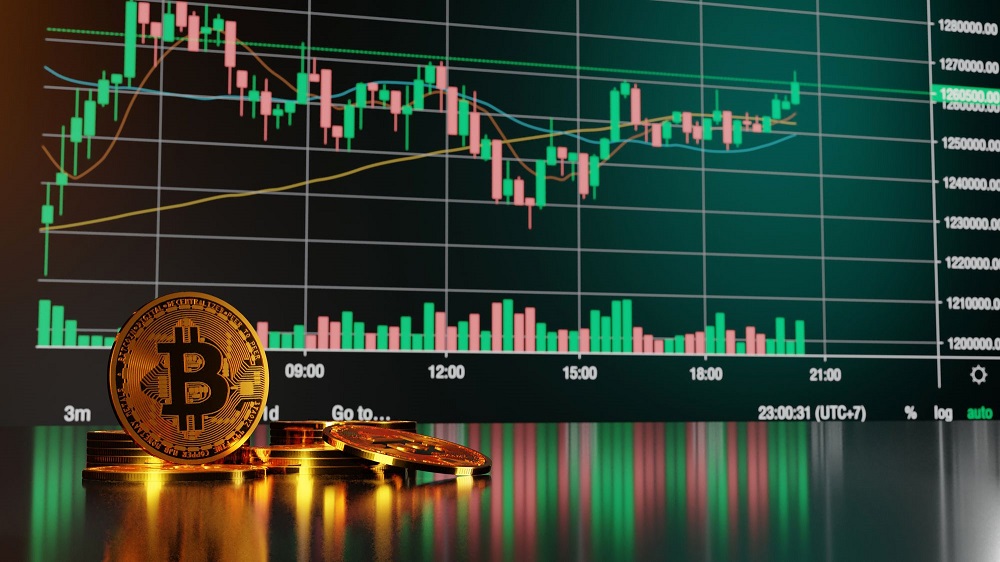
Bitcoin has evolved from an experimental digital currency into a globally recognized financial asset. Since its launch in 2009, it has attracted retail traders, institutional investors, and even governments. While some investors view it as digital gold, others see it as a speculative asset prone to sharp swings.
Understanding both the potential rewards and the inherent risks is essential before allocating capital to Bitcoin.
What Makes Bitcoin Attractive to Investors?
1. High Return Potential
Bitcoin has historically delivered extraordinary long-term gains compared to traditional assets. Early adopters saw exponential growth as adoption expanded globally.
Although past performance does not guarantee future returns, the asset’s history demonstrates its capacity for significant appreciation during bull markets.
2. Limited Supply
One of Bitcoin’s defining features is its fixed supply of 21 million coins. Unlike fiat currencies, which can be printed at will, Bitcoin’s scarcity is coded into its protocol.
This limited supply fuels the narrative that Bitcoin may act as a hedge against inflation.
3. Decentralization
Bitcoin operates on a decentralized blockchain network, meaning:
-
No central authority controls it
-
Transactions are verified by distributed participants
-
It is resistant to censorship
For investors concerned about centralized financial systems, this structure offers an alternative.
4. Increasing Institutional Adoption
Large corporations, asset managers, and payment processors have integrated Bitcoin into their operations. Institutional adoption often signals growing legitimacy and can influence long-term stability.
5. Liquidity and Accessibility
Bitcoin trades 24/7 across global exchanges. Investors can buy, sell, or transfer it at any time, making it one of the most liquid digital assets available.
Key Risks of Bitcoin Investing
Despite its potential, Bitcoin carries substantial risk. It is not suitable for every investor.
1. Extreme Volatility
Bitcoin is known for rapid price swings. It can gain or lose double-digit percentages within days—or even hours.
This volatility can:
-
Trigger emotional decision-making
-
Increase the likelihood of panic selling
-
Create large unrealized losses
Short-term traders often experience significant stress due to these fluctuations.
2. Regulatory Uncertainty
Cryptocurrency regulations vary across countries and continue to evolve. Sudden policy changes can impact price and access.
Potential risks include:
-
Exchange restrictions
-
Tax changes
-
Trading bans in certain jurisdictions
Investors must stay informed about local and international regulations.
3. Security Risks
Although the Bitcoin network itself is secure, investors face risks such as:
-
Exchange hacks
-
Phishing scams
-
Loss of private keys
Unlike traditional banking, lost Bitcoin is often unrecoverable.
4. Market Manipulation
The cryptocurrency market is less regulated than traditional stock markets. Large holders, often called “whales,” can influence price movements, especially during low liquidity periods.
5. Technological Risks
Bitcoin depends on digital infrastructure. Potential threats include:
-
Software vulnerabilities
-
Network congestion
-
Future competition from other cryptocurrencies
While the network has proven resilient, technology risk remains part of the equation.
Risk vs. Reward: A Balanced Perspective
Bitcoin investing requires careful risk management. The same characteristics that allow for rapid growth—scarcity, global accessibility, and decentralized structure—also contribute to price volatility.
Prudent investors often:
-
Allocate only a small percentage of their portfolio to Bitcoin
-
Diversify across asset classes
-
Use secure storage methods such as hardware wallets
-
Maintain a long-term investment horizon
Viewing Bitcoin as part of a diversified strategy rather than a standalone solution can reduce overall portfolio risk.
Is Bitcoin a Good Investment?
The answer depends on:
-
Risk tolerance
-
Investment timeline
-
Financial goals
-
Understanding of cryptocurrency markets
Bitcoin may suit investors comfortable with volatility and long-term uncertainty. However, those seeking stable, predictable income may find it unsuitable.
As with any financial decision, thorough research and independent analysis are critical.
Strategies to Manage Bitcoin Risk
Diversification
Avoid concentrating all funds in Bitcoin. Spread investments across:
-
Stocks
-
Bonds
-
Real estate
-
Other asset classes
Diversification helps cushion market downturns.
Dollar-Cost Averaging (DCA)
Investing fixed amounts at regular intervals reduces the impact of volatility. DCA removes the pressure of timing the market perfectly.
Secure Storage
Consider:
-
Hardware wallets
-
Multi-signature wallets
-
Reputable exchanges with strong security practices
Security planning is as important as price analysis.
Long-Term Mindset
Short-term speculation increases exposure to volatility. Many investors adopt a multi-year horizon to smooth out price cycles.
Conclusion
Bitcoin offers a compelling mix of opportunity and uncertainty. Its limited supply, decentralization, and growing adoption make it attractive to forward-looking investors. However, volatility, regulatory shifts, and security concerns present meaningful challenges.
Careful allocation, disciplined strategy, and strong security practices are essential. Bitcoin is neither a guaranteed path to wealth nor an inherently flawed asset—it is a high-risk, high-reward investment that demands informed participation.
Frequently Asked Questions (FAQ)
1. How much of my portfolio should I allocate to Bitcoin?
Allocation varies by risk tolerance. Conservative investors often limit exposure to a small percentage of their total portfolio to manage volatility.
2. Is Bitcoin safer than traditional stocks?
Bitcoin is generally more volatile than established stocks. Safety depends on market conditions, diversification, and investment strategy.
3. Can Bitcoin lose all its value?
While unlikely given current adoption levels, no asset is immune to severe decline. Regulatory bans, technological failures, or loss of confidence could significantly reduce value.
4. Do I need technical knowledge to invest in Bitcoin?
Basic understanding of wallets, exchanges, and security is helpful. However, many platforms simplify the process for beginners.
5. How does Bitcoin taxation work?
Tax treatment varies by country. In many jurisdictions, Bitcoin is treated as property, meaning capital gains tax applies when selling.
6. What is the safest way to store Bitcoin?
Hardware wallets are often considered one of the safest options because they keep private keys offline.
7. Is Bitcoin environmentally harmful?
Bitcoin mining consumes significant energy. However, there is growing use of renewable energy sources in mining operations, and the environmental debate continues to evolve.