

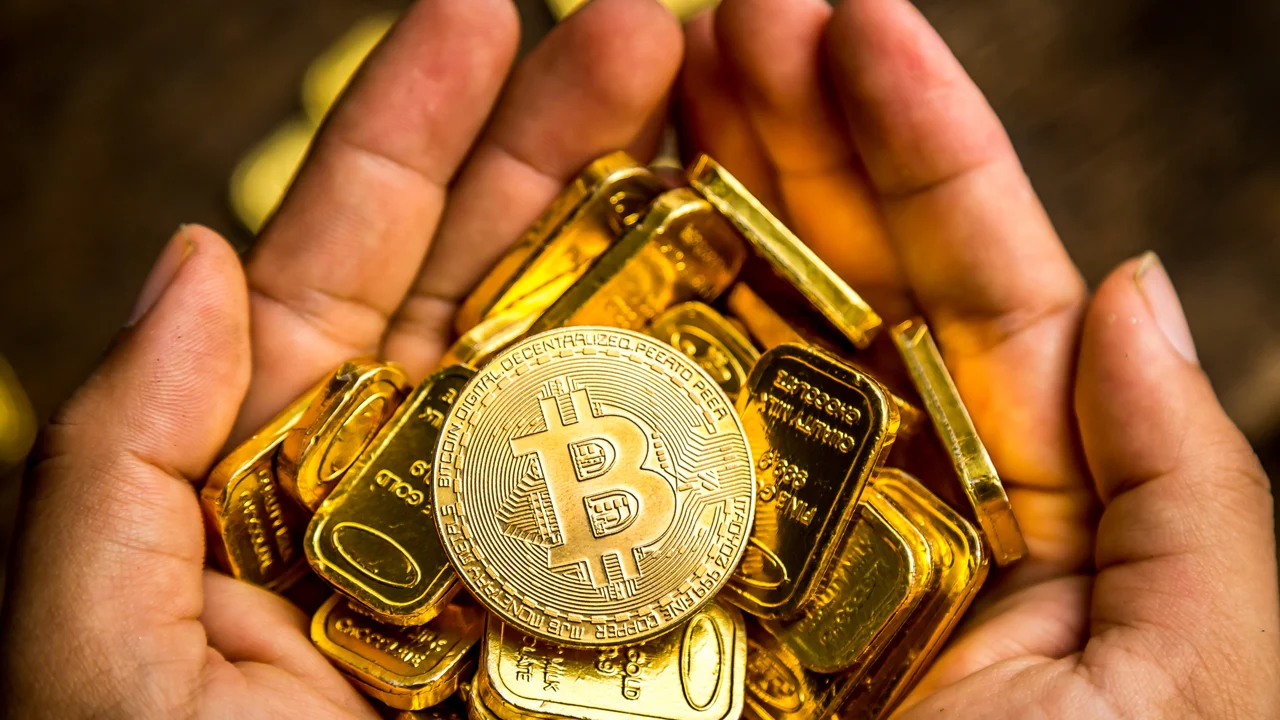
Bitcoin, often hailed as the pioneer of cryptocurrency, has become a cultural and financial phenomenon since its inception in 2009. Conceived as a decentralized digital currency, Bitcoin promises to reshape the way we perceive money, challenge traditional banking systems, and offer an unprecedented level of financial sovereignty. As the world increasingly embraces digital innovation, understanding Bitcoin’s unique attributes, implications, and future prospects is crucial for anyone interested in the evolving landscape of global finance.
The Origins of Bitcoin: A Radical Innovation
Bitcoin was introduced by an anonymous figure or group known as Satoshi Nakamoto through a whitepaper titled “Bitcoin: A Peer-to-Peer Electronic Cash System.” The paper proposed a new form of money that operates without a central authority, relying instead on a decentralized network of computers to validate transactions. This revolutionary concept emerged in the aftermath of the 2008 financial crisis, reflecting widespread distrust in banks and governments.
At its core, Bitcoin is a digital ledger—a blockchain—that records every transaction publicly and immutably. This innovation ensures transparency and security while eliminating the need for intermediaries such as banks. Users can send and receive Bitcoin across borders almost instantaneously, with minimal fees, making it a powerful tool for global commerce.
Understanding Bitcoin’s Core Features
Bitcoin’s appeal lies not only in its technological novelty but also in the principles it embodies:
-
Decentralization: Unlike traditional currencies controlled by governments or central banks, Bitcoin operates on a distributed network of nodes, ensuring no single entity wields control.
-
Limited Supply: Bitcoin’s protocol caps its total supply at 21 million coins, creating scarcity akin to precious metals like gold. This deflationary aspect attracts investors seeking to hedge against inflation.
-
Transparency and Security: The blockchain ledger is publicly accessible and secured by cryptographic algorithms, making transactions verifiable and resistant to fraud.
-
Pseudonymity: While transactions are transparent, the identities behind Bitcoin addresses remain private, offering a degree of financial anonymity.
The Economic Impact of Bitcoin
Bitcoin’s introduction has spurred a profound debate about the nature of money and value. Many enthusiasts view it as “digital gold,” a store of value immune to inflationary pressures that plague fiat currencies. Unlike traditional money, which can be printed ad infinitum by governments, Bitcoin’s scarcity is hard-coded, attracting long-term investors and institutional interest.
Moreover, Bitcoin challenges conventional banking by providing a censorship-resistant means of payment. In regions with unstable currencies or restrictive financial systems, Bitcoin offers an alternative lifeline—allowing people to preserve wealth and conduct transactions without reliance on government-controlled infrastructures.
Challenges and Criticisms
Despite its groundbreaking potential, Bitcoin is not without its critics and obstacles. The network’s energy consumption, primarily due to the proof-of-work mining process, has raised environmental concerns. Critics argue that Bitcoin mining requires enormous electricity, much of which comes from non-renewable sources, contributing to carbon emissions.
Additionally, Bitcoin’s price volatility poses risks. While its rapid appreciation has generated immense wealth for early adopters, its wild price swings can deter mainstream adoption as a stable currency for daily transactions. Regulatory scrutiny also looms large, with governments worldwide grappling with how to integrate Bitcoin into existing financial frameworks without stifling innovation.
Bitcoin’s Role in the Broader Cryptocurrency Ecosystem
Bitcoin’s success paved the way for a burgeoning ecosystem of cryptocurrencies and blockchain applications. Often described as the “original cryptocurrency,” Bitcoin remains the benchmark against which other digital assets are measured. Its underlying technology inspired the development of decentralized finance (DeFi), non-fungible tokens (NFTs), and smart contract platforms.
However, unlike many altcoins that focus on specific use cases or scalability, Bitcoin’s primary function continues to be a secure and decentralized store of value. Its conservative approach to protocol changes has preserved its stability and trustworthiness, reinforcing its status as the “digital gold” of the crypto world.
The Future of Bitcoin: Trends and Predictions
Looking ahead, Bitcoin’s trajectory is poised at a fascinating crossroads. As regulatory clarity improves and institutional adoption grows, Bitcoin could cement its role as a mainstream financial asset. Innovations like the Lightning Network aim to address scalability issues, enabling faster and cheaper transactions that could facilitate everyday use.
Moreover, the increasing interest from sovereign wealth funds, pension plans, and corporations underscores a growing acceptance of Bitcoin as a legitimate component of diversified portfolios. Some predict that Bitcoin may become a global reserve asset, complementing or even challenging traditional safe havens like gold.
Yet, Bitcoin’s future will also depend on broader economic and technological factors: government policies, environmental solutions to mining, and competing technologies. Its decentralized nature means that community consensus will continue to shape its evolution, reflecting a delicate balance between innovation and stability.
Conclusion: Bitcoin’s Enduring Legacy
Bitcoin represents more than a digital currency; it embodies a paradigm shift in how we conceive money, trust, and financial power. Its innovative architecture, commitment to decentralization, and limited supply have inspired a new generation of investors and technologists alike. While challenges remain, Bitcoin’s impact on global finance is undeniable.
As we navigate an increasingly digitized world, Bitcoin offers a glimpse into a future where financial sovereignty is accessible to all, transcending borders and bureaucracies. Whether viewed as an investment, a technological marvel, or a social movement, Bitcoin’s story is far from over — it is a revolutionary chapter in the ongoing evolution of money.