

Understanding the Unbanked Challenge Across the globe, millions of people live without access to traditional financial services. The unbanked population includes individuals who do not hold bank accounts or have access to formal credit, insurance, or savings systems. This exclusion ...

Lifestyle upgrades often feel like progress. A better apartment, premium subscriptions, frequent dining out, and upgraded gadgets can seem like natural rewards for hard work. Yet behind these improvements lies a subtle financial pattern that quietly erodes long-term wealth: lifestyle ...

The internet transformed how people communicate and shop. Now, cryptocurrency is reshaping how value moves online. What began as a niche experiment in digital money has evolved into a multi-trillion-dollar ecosystem influencing payments, finance, and global commerce. Unlike traditional payment ...

Cryptocurrency began as a technical experiment, but it has evolved into a force reshaping economics, identity, governance, and creative expression. What started with decentralized digital money has grown into a broader cultural movement that challenges traditional power structures and redefines ...

Introduction Cybersecurity threats are evolving faster than traditional defense systems can adapt. From ransomware targeting hospitals to sophisticated financial fraud, organizations face increasing pressure to protect sensitive data. Blockchain technology, once associated mainly with cryptocurrencies, is now emerging as a ...
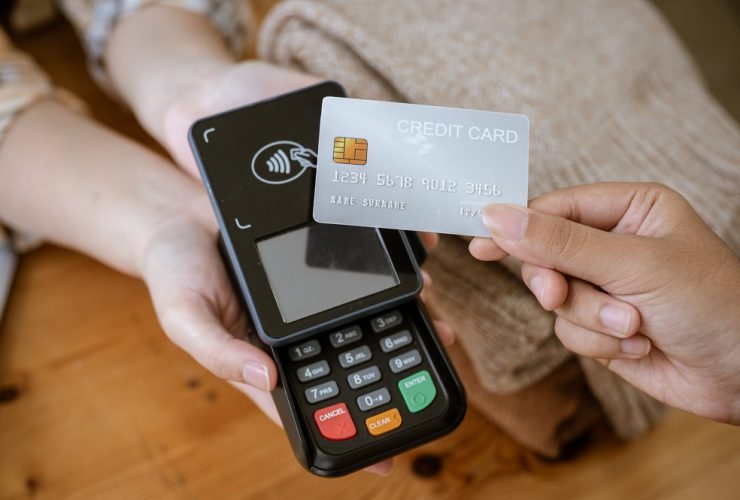
Many people believe their finances would improve if they simply earned more. Yet income growth alone rarely solves money stress. The real issue often lies in hidden expenses—small, recurring costs and overlooked financial leaks that quietly erode your savings potential. ...
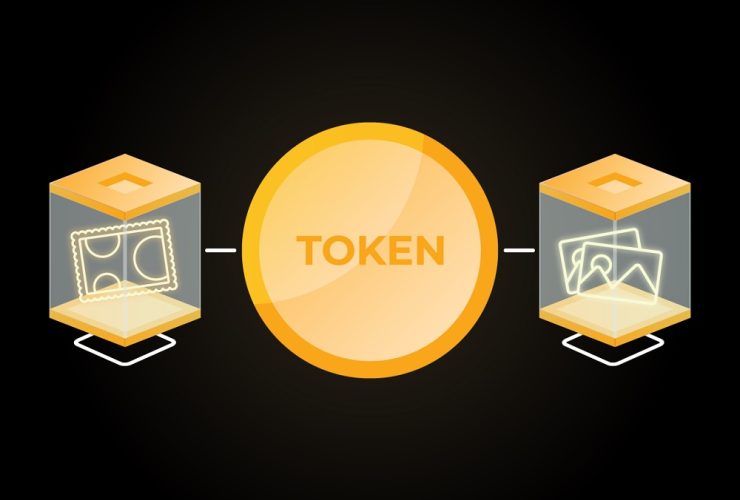
Introduction The tokenization of assets is transforming how ownership is recorded, transferred, and traded. By leveraging blockchain infrastructure, physical and intangible assets can be represented as digital tokens, enabling fractional ownership, faster settlement, and global accessibility. From real estate and ...
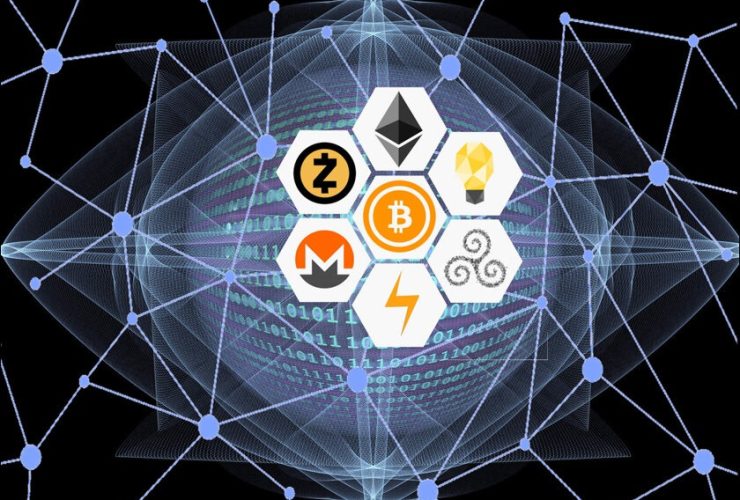
Blockchain technology has transformed how digital transactions are verified and recorded. At the heart of every blockchain lies a consensus mechanism—the protocol that allows distributed participants to agree on a single version of truth. However, early consensus models consumed vast ...

Introduction When Bitcoin emerged in 2009, it introduced more than a new digital asset—it presented an alternative financial architecture. By removing centralized intermediaries and relying on cryptographic verification, Bitcoin laid the groundwork for what would later become Decentralized Finance (DeFi). ...

Bitcoin has evolved from an experimental digital currency into a globally recognized financial asset. Since its launch in 2009, it has attracted retail traders, institutional investors, and even governments. While some investors view it as digital gold, others see it ...